Our services

Limewash and Lime Paint in Santa Barbara

Purple Painting is a licensed painting contractor (California license #1096227) based in Santa Barbara, CA. We apply limewash, lime paint and other breathable mineral finishes to walls and feature walls in homes and businesses in Santa Barbara, Goleta, Montecito, Hope Ranch, Summerland, Carpinteria, Santa Ynez, Solvang, Los Olivos, Buellton, Ballard, Lompoc, Santa Maria, Ventura, Ojai, Oxnard, Port Hueneme, Camarillo, El Rio and Santa Paula.

Get an estimate

Call (805) 448-1241

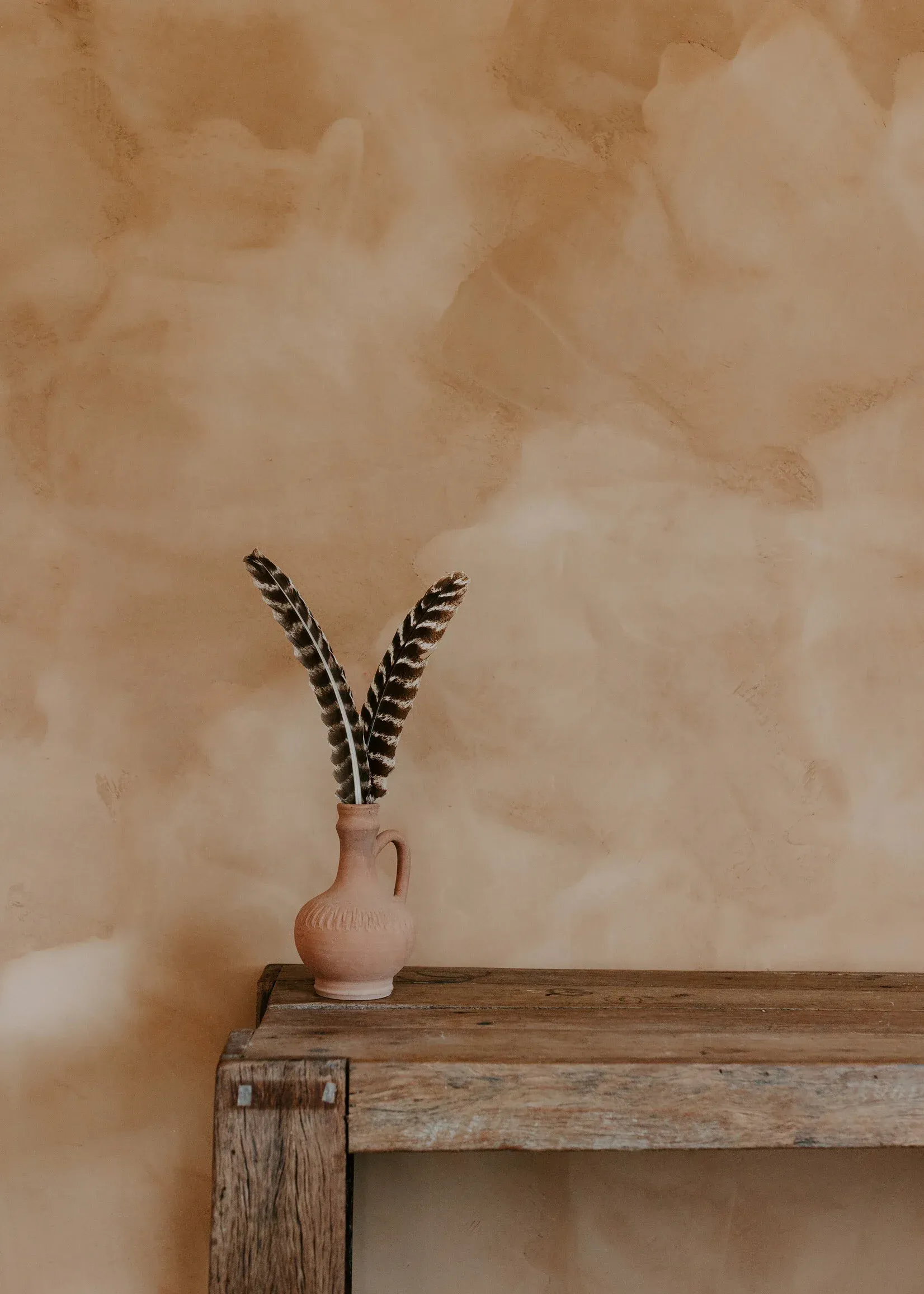
Wall finished in limewash with soft tonal variation

What’s Included

A limewash job with Purple Painting usually includes:

  • Samples brushed on your wall, or mock-up boards, for you or your designer to approve before we buy materials.
  • Masking off everything that isn’t being finished.
  • Patching holes and cracks in the drywall, then sanding and spot priming the patches.
  • Caulking where walls meet beams, for clean lines.
  • A lime wash undercoater or basecoat.
  • Two coats of limewash, brushed on by hand.
  • A sealer where the wall needs to be wipeable.

Products and Materials

We have used Portola Paints Lime Wash and Sydney Harbor Lime Wash, brushed over a lime wash undercoater or basecoat. On new drywall, Portola calls for two coats of stain-blocking primer before its system goes on.

Limewash

A thin, mineral-based coating made from crushed limestone and water. It penetrates well into porous surfaces like brick and stone better than other mediums. Most often applied on top plaster, it creates a matte and velvety finish. Keep in mind though that it is not a build-up material, and doesn't patch or smooth surfaces itself. Instead, it relies on the substrate's texture.

Lime paint

This sits somewhere between traditional paint and limewash. It is still breathable, usually applied with a hand brush or roller to create the same finish. Dissimilar to limewash, this can be placed directly on drywall given it has been properly primed. It offers more color consistency but still produces subtle movement and variation.

Integral plaster

If you're looking to minimize the amount of coatings but get the same natural look, this is a great go-to. It is when pigment is mixed directly into the plaster itself. Read more in our guide to limewash, lime paint and integral plaster.

Ideal For

  • Soft, chalky patina on masonry: Limewash
  • Breathable, subtle movement on drywall: Lime Paint
  • Repair and unify walls: Integral Plaster
  • Deep texture and historic authenticity: Integral Plaster

All three of the above are mineral-based and breathable compared to other paint alternatives. Especially in coastal environments and older homes, having a vapor permeable option is a must. It allows evaporation rather than trapping moisture beneath the sealed surface.

Our limewash work includes bedroom walls and accent walls in homes, and the walls of the Starbucks at Hotel Californian in Santa Barbara.

Our Limewash Process

  • Sampling: we prime a section of wall with lime wash undercoater and brush samples on it, usually in two rounds: first to narrow down the color family, then the exact color. Lime wash doesn’t match paint chips perfectly, so the sample is approved before we buy materials.
  • Preparation: we mask off everything that isn’t being finished, patch holes and cracks, sand and spot prime the patches, and caulk where walls meet beams. Lime wash can’t be taped over once it’s applied, so the trim, millwork and fixtures next to it are installed and finished first.
  • Priming: we prime the walls with lime wash undercoater.
  • Limewash: we brush on two coats in a criss-cross motion, wall to wall without stopping.
  • Sealing, if needed: limewash isn’t wipeable unless a sealer goes over it.

Limewash may require refreshing over time as it patinas. Lime paint is more easily spot-repaired. Integral plaster is highly durable as opposed to its counterparts, but needs to be inspected for hairline cracks.

Frequently asked questions

What’s the difference between limewash, lime paint and integral plaster?

All three are breathable mineral finishes, which matters in older homes and near the coast because they let moisture evaporate instead of trapping it. Limewash is a thin coating of crushed limestone and water that gives masonry a soft, chalky patina and may need refreshing over time. Lime paint sits between paint and limewash, can go on primed drywall and is easier to spot-repair. Integral plaster has the color mixed into the plaster itself, so it is both the prep and the finish; it is very durable but should be checked for hairline cracks. Read our limewash guide.

Can limewash go on drywall?

Yes, once it’s primed. We prime the wall with a lime wash undercoater, then brush on two coats of limewash. Lime paint can also go directly on drywall that has been properly primed.

Do you make samples before limewashing?

Yes. Lime wash doesn’t match paint chips perfectly, so we brush samples on a section of your wall primed with lime wash undercoater, usually in two rounds: a first round to narrow down the color family and a second to settle the exact color. Nothing is bought until the sample is approved.

Does limewash need maintenance?

Limewash ages naturally and develops a patina, so it may need refreshing over time; it can be easily refreshed later on. Lime paint is easier to spot-repair. See our limewash guide.

Can limewash be cleaned or sealed?

Limewash isn’t wipeable unless a sealer goes over it. Lime finishes can be sealed or varnished for a satin or polished look, which makes them more durable and easier to clean and deepens the color. Sealing does reduce how well the finish breathes.

REQUEST AN ESTIMATE

Trust our professional painting team with your next project.

From homes and condos to commercial properties, we deliver lasting finishes with precision and care.

Get an estimate